How to Identify the Reasons Behind Changes in Animation Style Between Seasons Using Production Staff Information
There is a distinct, jarring feeling when you eagerly tune into Season 2 of your favorite anime series, only to realize something looks fundamentally wrong. The character faces feel slightly off-model, the line art is visibly thinner or thicker, the color palette has shifted, or the action scenes lack the fluid movement that made Season 1 iconic.
When an animation style changes between seasons, the immediate reaction on community forums like Reddit or X is to complain about “budget cuts.” However, in the professional animation industry, visual changes are almost never about money—anime production budgets across broadcast TV series are remarkably uniform. Instead, visual shifts are almost always the direct result of changes in key production personnel, studio handoffs, or severe scheduling crunches.
Learning how to read production staff credits and cross-reference metadata empowers you to analyze visual changes objectively, moving past speculation to pinpoint the exact artistic or structural reasons behind the new look.
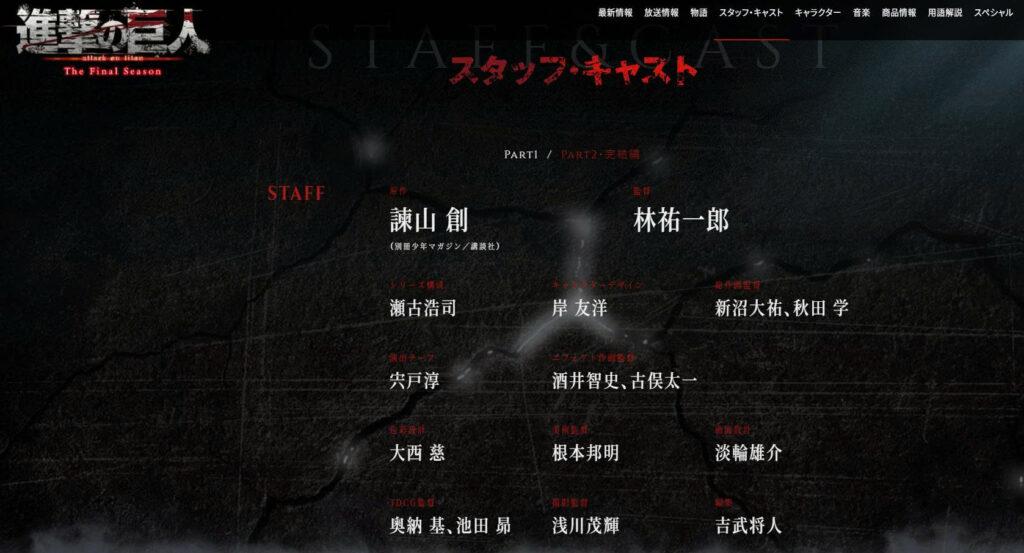
The core trio: Comparing key staff roles across seasons
To decode a visual shift, you must first look at the top of the production hierarchy. While hundreds of animators work on a series, three primary roles dictate the overall aesthetic identity of an anime.
- The Director (監督 – Kantoku): The Director shapes the macro-level visual vision. They dictate shot composition, camera angles, color grading, pacing, and overall atmospheric tone. If a series changes Directors between seasons, the entire visual language will shift—even if the characters are drawn by the same team.
- The Character Designer (キャラクターデザイン): This artist translates original concept art (from a manga, light novel, or game) into simplified, animatable model sheets. They dictate facial proportions, hair styling, eye shapes, and line complexity. A change in this role directly alters how characters look in every single frame.
- The Chief Animation Director (総作画監督): This crucial role acts as a quality-control filter. They review drawings submitted by dozens of individual animators and correct them to ensure every scene stays on-model. If a Chief Animation Director is missing, replaced, or forced to share the workload with multiple assistants due to time constraints, scene-to-scene character consistency will visibly degrade.
Quick reference matrix: Staff changes vs. visual outcomes
To quickly connect staff credit changes to what you actually see on screen, use this side-by-side diagnostic table:
| Staff role to compare | What to check in the credits | Expected visual impact on screen |
| Director (Kantoku) | Check if the primary Director’s name changed between seasons. | Macro Shift. Expect changes in shot composition, pacing, lighting, color palette, and overall storytelling tone. |
| Character Designer | Compare the main Character Designer credit listed across seasons. | Micro Shift. Expect structural changes to face shapes, eye details, hair complexity, and body proportions. |
| Chief Animation Director | Look for changes or the addition of multiple Chief Animation Directors. | Consistency Shift. If missing or split among many staff, expect noticeable drawing variation between scenes. |
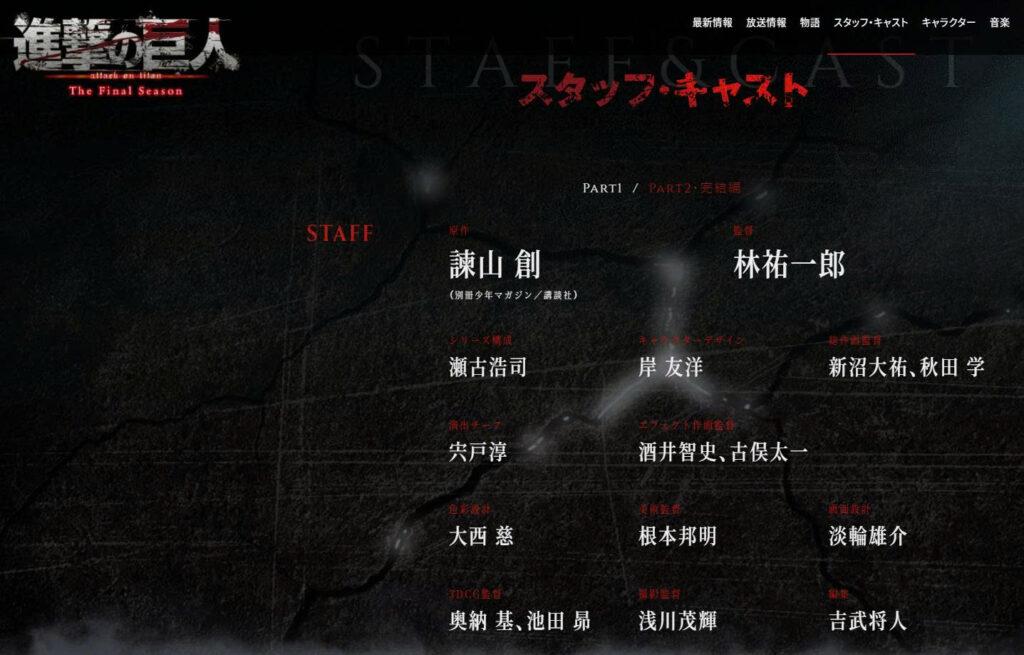
Episode directors, key animators, and the outsourcing trap
Beyond the core leads, the mid-level workforce heavily influences the polish of individual episodes.
Stable in-house teams vs. freelance pools
A season produced by a stable, in-house team of Key Animators (원화 / Genga) usually maintains a uniform visual standard from Episode 1 through Episode 12. Conversely, if a studio relies heavily on a revolving door of freelance animators to meet deadlines, character drawings will fluctuate wildly depending on who drew which scene.
The impact of outsourcing (Genga and in-betweening)
When production schedules collapse, studios frequently outsource entire episodes to secondary sub-contracted studios (both domestic and overseas). If you notice an episode where linework suddenly becomes simplified, shading vanishes, and character faces melt during motion, checking the episode credits will almost always reveal that key animation was completely outsourced to an external subcontractor.
Production circumstances: Studio switches, committees, and tight schedules
Staff changes do not happen in a vacuum; they are dictated by the business mechanics of the anime industry, specifically the Production Committee (製作委員会).
Full studio changes vs. internal team splits
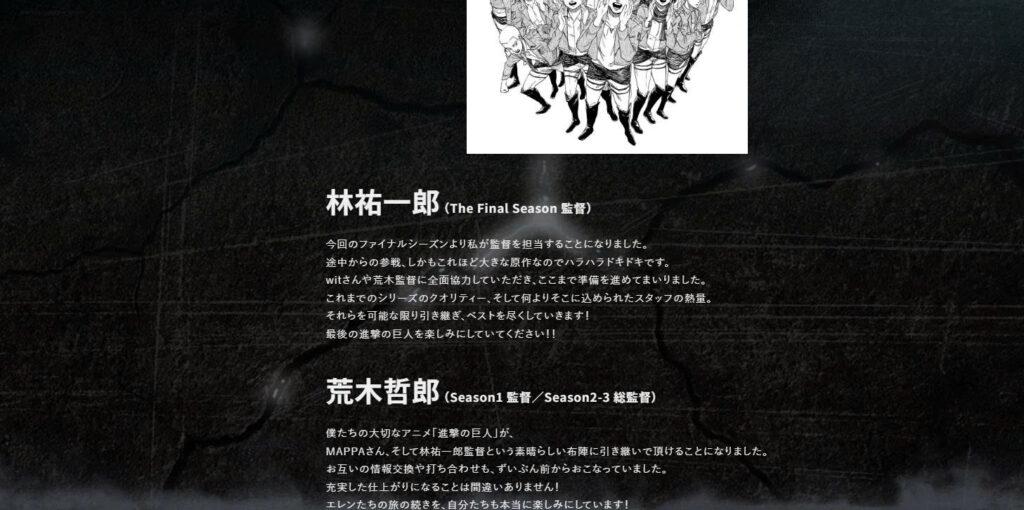
When a franchise changes animation studios entirely—such as Attack on Titan moving from Wit Studio to MAPPA – a complete visual overhaul is inevitable. The new studio brings its own pipeline, colorists, in-house compositing artists, and preferred animator pools. However, even if the studio name remains the same on paper, the internal production pipeline (e.g., Studio A’s Team 1 vs. Team 2) may have changed completely, producing a vastly different result.
Short gaps between seasons and scheduling conflicts
When Season 1 becomes a massive commercial hit, the Production Committee often rushes Season 2 into production. However, elite anime directors and character designers are booked years in advance. If the gap between seasons is too short, the original creative team is often unavailable because they are already locked into other projects. This forces the committee to hire an entirely new staff, resulting in a dramatic visual shift.
How to track staff credits using online databases
You do not need to read Japanese kanji credit rolls to investigate staff changes. Global community databases compile and translate this metadata into clean, searchable formats.
Platforms like MyAnimeList (MAL), AniDB, and Anime News Network (ANN) maintain detailed staff directories for virtually every anime ever produced. Simply open the pages for Season 1 and Season 2 side-by-side, navigate to the “Staff” or “Credits” section, and cross-reference the names for the Director, Character Designer, and Animation Studio.
By moving past internet rumors and learning to read the credits, you can objectively understand the exact personnel, structural, and industry realities that shape the art on your screen.